Residential Security Systems: Comprehensive Protection for Modern Homes
November 20, 2024
November 20, 2024
Residential Security Systems: Comprehensive Protection for Modern Homes
As concerns about home safety grow, residential security systems
have become essential for homeowners seeking to protect their families and property. Modern security systems have evolved beyond simple locks and alarms, incorporating advanced technology like smart devices, real-time monitoring, and emergency response options. Investing in a residential security system is not just about safeguarding a physical space; it’s about securing a sense of peace and safety for your loved ones.
In this guide, we’ll explore the different components of residential security systems, their benefits, and key considerations when choosing the right system for your home.
What Are Residential Security Systems?
Residential security systems
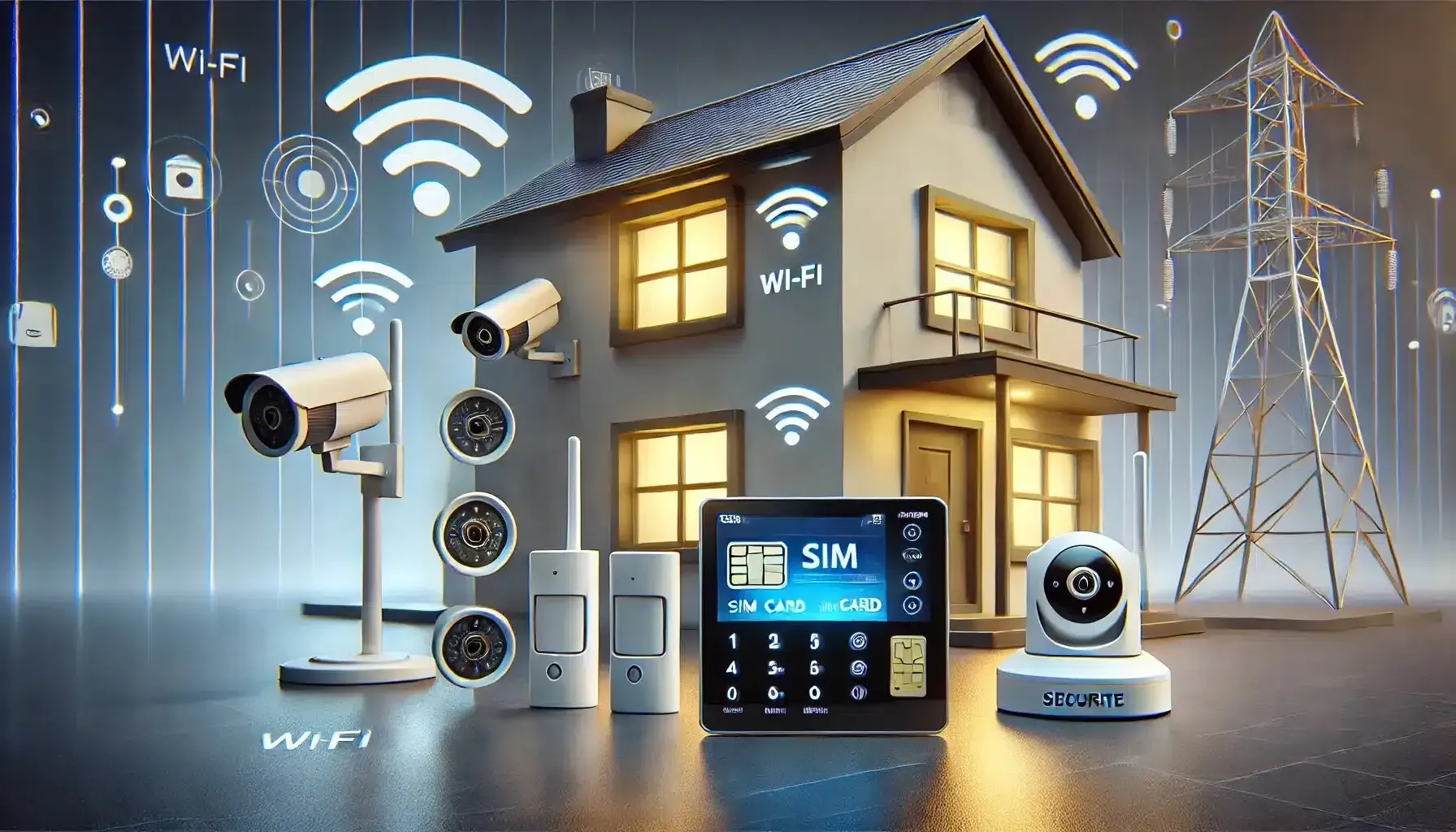
are integrated networks of devices designed to monitor, detect, and respond to potential security threats within a home. These systems range from basic setups with a few sensors to fully integrated solutions featuring video surveillance, access control, and automation capabilities. Most residential security systems include:
1. Alarm Systems
Alarm systems are the first line of defense for most residential security setups. They consist of sensors placed at entry points like doors and windows, along with motion detectors. When triggered, these sensors alert the homeowner and may also signal a monitoring center or authorities.
2. Security Cameras
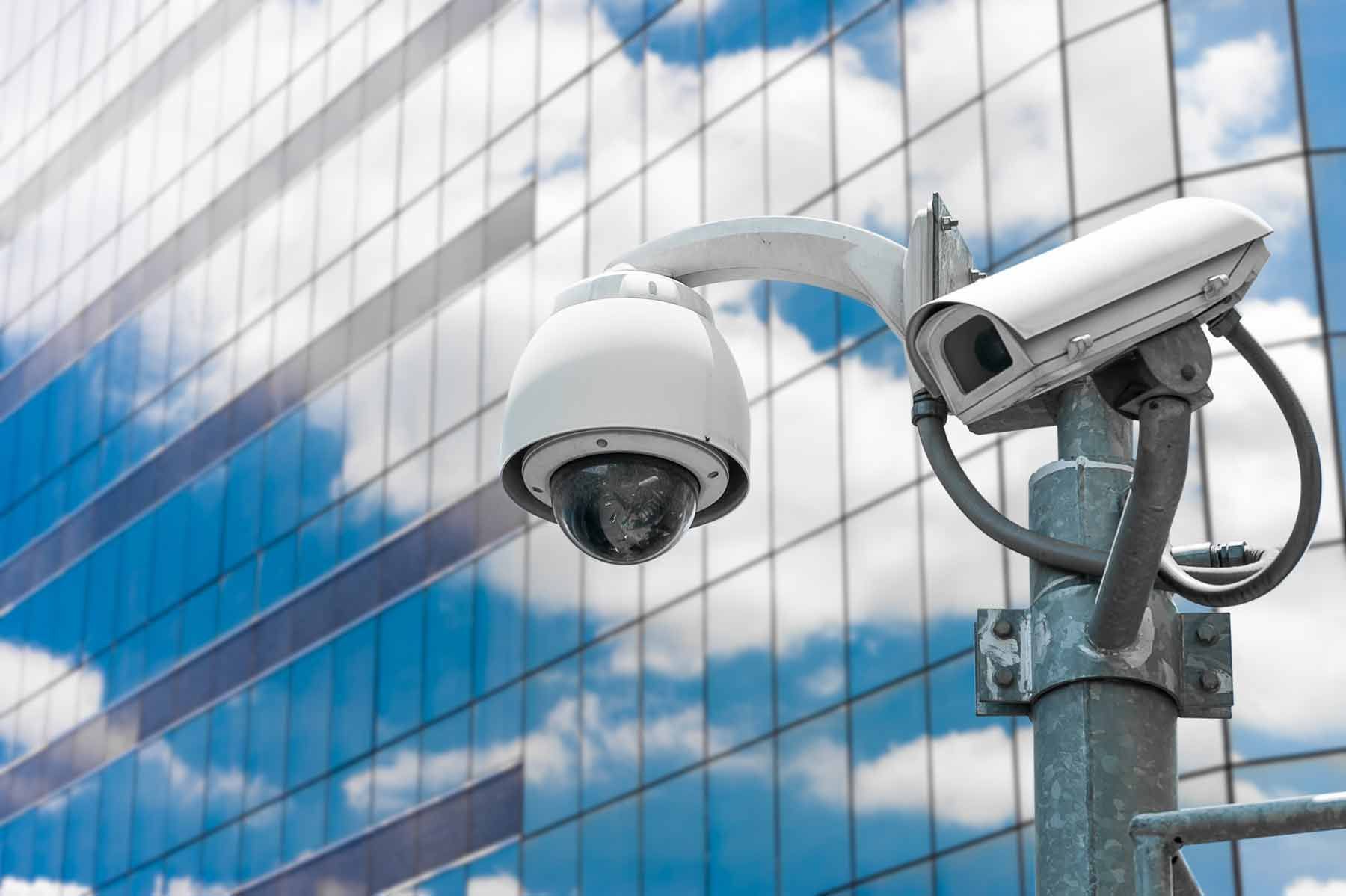
Cameras are vital for monitoring both the exterior and interior of a home. They help detect suspicious activity, verify threats, and provide evidence if a security breach occurs. Modern security cameras often come with night vision, high-definition recording, motion detection, and remote viewing capabilities.
3. Motion Sensors
Motion sensors can detect unusual movement within designated areas, triggering alerts or lights as a deterrent. These sensors are commonly used in high-risk zones like entryways, hallways, and backyards.
4. Smart Locks and Access Control
Smart locks allow homeowners to control access to their property remotely, locking or unlocking doors through a mobile app. With advanced access control, you can also set up unique entry codes for different family members or temporary codes for guests and service providers.
5. Environmental Sensors
Beyond intrusion detection, many systems include sensors for environmental hazards like smoke, carbon monoxide, and flooding. These detectors ensure that homeowners are alerted to dangers beyond security threats.
6. 24/7 Monitoring
Professional monitoring services ensure that your home is protected around the clock. If an alarm is triggered, the monitoring center can verify the threat and dispatch emergency services if needed. Some systems also provide direct mobile alerts to homeowners, allowing them to take action even if they’re away.
Benefits of Residential Security Systems
Residential security systems
offer various advantages, including increased safety, convenience, and even potential financial benefits. Here are some of the primary reasons to invest in a security system:
1. Enhanced Home Protection
With the combination of sensors, cameras, and alarms, residential security systems help deter criminal activity and provide homeowners with real-time insight into their property. The knowledge that a home is protected 24/7 can significantly reduce anxiety about break-ins or other dangers.
2. Crime Deterrence
Studies have shown that homes with visible security systems, such as cameras and alarm signs, are far less likely to be targeted by burglars. The mere presence of a security system can serve as a powerful deterrent.
3. Remote Monitoring and Control
Many residential security systems offer remote access through smartphone apps, allowing homeowners to monitor their property from anywhere. You can view camera feeds, lock/unlock doors, and receive alerts if a sensor is triggered, providing real-time peace of mind.
4. Faster Emergency Response
Professional monitoring services can notify emergency responders quickly if an incident occurs. In the case of a fire, intrusion, or medical emergency, the monitoring team can dispatch help within minutes, potentially saving lives and minimizing property damage.
5. Lower Home Insurance Premiums
Insurance providers often offer discounts to homeowners who have professionally monitored security systems, as they lower the risk of burglary and damage. Over time, the cost savings from reduced insurance premiums can help offset the expense of a security system.
6. Integration with Smart Home Devices
Many security systems are compatible with other smart home devices, such as lights, thermostats, and voice assistants. Integration enables homeowners to automate routines, such as arming the system when they leave home or turning on lights if motion is detected outside.
Key Features to Look for in a Residential Security System
When choosing a residential security system, it’s essential to consider the unique needs of your home and family. Here are some key features to look for:
1. Scalability and Customization
Your security needs may change over time, so look for a system that allows you to add or remove components as needed. Customizable systems allow you to start with the basics and expand with additional cameras, sensors, or smart home integrations.
2. User-Friendly Interface
A system should be easy to use, with a straightforward control panel or mobile app. Make sure that all household members can operate the system confidently, especially if they need to respond in an emergency.
3. Quality of Equipment
The quality of security cameras, sensors, and alarms impacts system effectiveness. High-resolution cameras, reliable motion detectors, and sturdy smart locks ensure that your home is adequately protected.
4. Professional Installation vs. DIY
Some security systems offer professional installation, ensuring that everything is set up correctly. Others provide DIY options, which may be more affordable and flexible for homeowners comfortable with setup tasks. Decide which option best suits your budget and technical comfort level.
5. Mobile App Functionality
For remote monitoring and control, check if the system’s mobile app offers real-time notifications, camera access, and control over other smart home features. A well-designed app can greatly enhance the usability and convenience of your security system.
6. Emergency Support Options
Some systems provide additional panic buttons or medical alert features, which can be especially valuable for households with elderly members or those with specific health concerns.
How to Maximize the Effectiveness of Your Residential Security System
To get the most out of your residential security system, consider these additional tips:
● Regular Maintenance
Periodically test all system components to ensure they work correctly. Check the battery life of wireless devices, review camera footage for clarity, and ensure that software is up-to-date.
● Optimize Camera Placement
Position cameras strategically to cover high-risk areas, such as entry points and blind spots. Ensure they’re mounted securely and protected from tampering or harsh weather conditions.
● Educate Your Family
Make sure everyone in the household knows how to operate the system, including arming/disarming the alarm and understanding emergency procedures. Clear instructions and regular practice can ensure everyone feels confident in using the system.
● Stay Updated on New Features
Security technology is constantly evolving, so consider upgrading components or subscribing to software updates. Many providers offer new features over time, such as improved mobile apps or integrations with popular smart home devices.
Conclusion
Residential security systems
are essential tools for protecting your home, family, and possessions. With advancements in technology, homeowners can now access sophisticated and customizable security solutions that not only deter crime but also offer valuable peace of mind. By choosing the right combination of features, such as alarm systems, surveillance cameras, and smart locks, you can build a security system tailored to your unique needs. Whether you’re at home or away, residential security systems provide a layer of protection that helps ensure your home remains a safe and secure environment for all.
February 26, 2025
Safeguarding Your Business- The Importance of Business Alarm Systems in Athens, TX
February 26, 2025
Elevating Home Safety- A Comprehensive Guide to Residential Home Security Systems
February 26, 2025
Enhancing Security in Athens, TX- The Value of Wired Alarm Systems